Trimming sensitive areas doesn’t have to be stressful, painful, or complicated. With the right trimmer, preparation, technique, and aftercare, you can achieve a clean and comfortable result while reducing the risk of cuts, razor burn, ingrown hairs, and skin irritation.
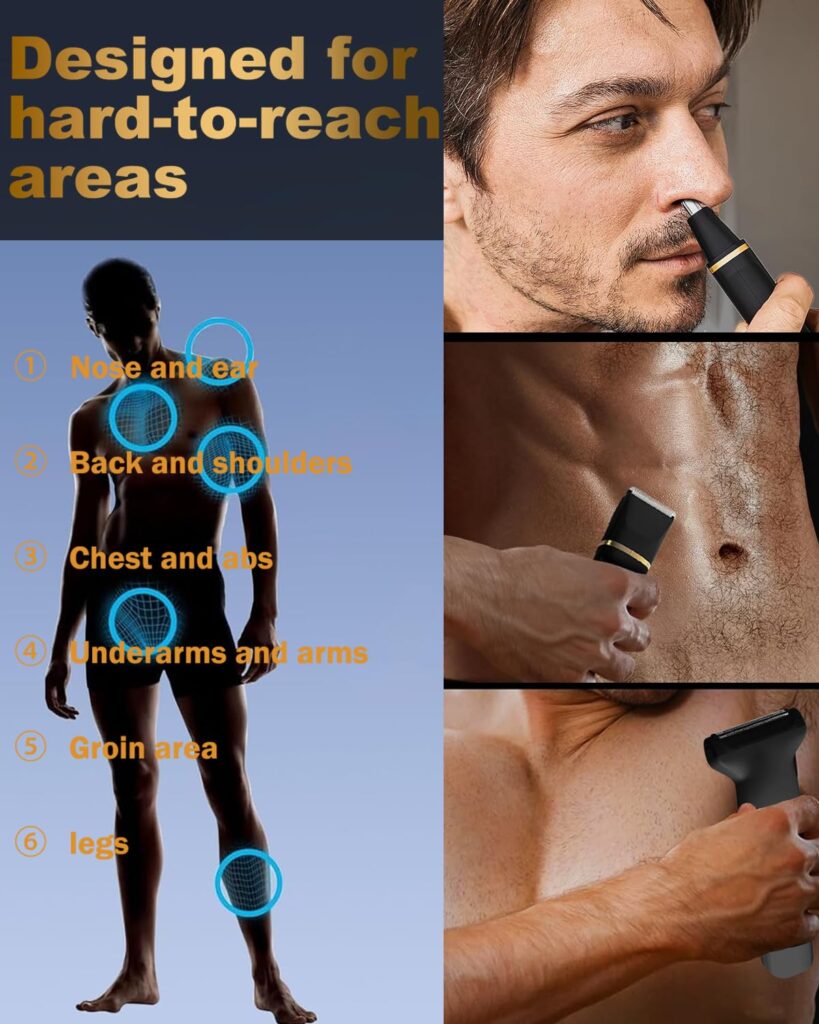
If you’ve ever rushed through grooming and ended up with a small nick or uncomfortable redness, you’re certainly not alone. Sensitive skin needs a different approach from trimming a beard or cutting the hair on your head.
The skin around areas such as the groin, underarms, chest, and other delicate regions can be thinner, more flexible, and more prone to irritation.
The good news is that you don’t need an expensive professional setup. A suitable body trimmer, a clean blade, a guard, good lighting, and a little patience can make a big difference.
This guide explains how to trim sensitive areas safely, including how to prepare your skin, choose the right equipment, use a trimmer correctly, and care for your skin afterward.
Comprehensive Article Outline
| Section | What You’ll Learn |
|---|---|
| Introduction | Why sensitive-area trimming requires extra care |
| 1. Understand Your Skin | Skin sensitivity and common risks |
| 2. Choose the Right Trimmer | Features that make grooming safer |
| 3. Prepare Before Trimming | Cleaning, drying, lighting, and preparation |
| 4. Step-by-Step Technique | A safer trimming method |
| 5. Avoid Common Mistakes | Habits that cause cuts and irritation |
| 6. Aftercare | How to calm and protect the skin |
| FAQs | Answers to common sensitive-area trimming questions |
| Conclusion | Key takeaways for safer grooming |
Why Sensitive Areas Need Extra Care
Sensitive areas are different from the beard or scalp. The skin can move considerably while you’re trimming, and hair may grow in different directions. This makes it easier for a trimmer to catch loose skin or pull hair if you’re not careful.
Another issue is friction. Repeatedly running a blade over the same patch of skin can create warmth, redness, and irritation. Using excessive pressure only makes matters worse.
The goal isn’t necessarily to get every hair as short as possible. Instead, the goal should be controlled, comfortable trimming.
A slightly longer trim with healthy, comfortable skin is often better than an extremely close trim followed by razor burn or ingrown hairs.
1. Understand the Risks Before You Trim
Before learning how to trim sensitive areas safely, it’s important to understand what can go wrong. Most grooming problems happen because people rush, use unsuitable equipment, or apply too much pressure.
Nicks and Small Cuts
A trimmer can cause a nick if the blade comes into direct contact with loose or folded skin. This is particularly possible when trimming areas where the skin isn’t completely flat.
Using a protective guard and keeping the skin relatively taut can help reduce this risk.
Skin Irritation
Redness and irritation commonly result from repeated passes over the same area. A dull or dirty blade can also increase friction.
If your skin begins feeling hot or uncomfortable during trimming, stop for a moment. There’s no prize for finishing as quickly as possible.
Ingrown Hairs
Ingrown hairs happen when hair grows back into the skin instead of outward. Extremely close shaving can increase the likelihood for some people, particularly when hair is coarse or curly.
This is one reason body trimming doesn’t always need to mean completely shaving the hair away.
Pulling and Snagging
Long body hair can get caught between the cutting components of a trimmer. Instead of immediately using the trimmer at its shortest setting, start with a longer guard.
Once the hair is shorter and easier to control, you can gradually reduce the length if necessary.
Bacterial Contamination
Your trimmer comes into contact with skin, hair, sweat, and natural oils. If the device isn’t cleaned properly, it can become unhygienic.
Always follow the manufacturer’s cleaning instructions. If the trimmer is washable, rinse it as directed and allow it to dry properly before storage.
How Skin Preparation Makes a Difference
Preparation is one of the most overlooked parts of grooming. Spending a few extra minutes preparing can make trimming easier and more comfortable.
Start with clean skin. If you’re trimming after a shower, dry the area according to the trimmer’s instructions. Some devices are designed for wet use, while others should only be used on dry skin.
Good lighting is also important. You should be able to clearly see what you’re doing rather than relying on touch alone.
A mirror can be helpful for areas that aren’t easy to see directly.
2. Choose the Right Trimmer for Sensitive Skin
The tool you use has a major impact on your grooming experience. A beard trimmer isn’t automatically the best choice for body grooming.
When learning how to trim sensitive areas safely, look for a device designed specifically for body grooming or one that includes a body-grooming attachment.
Look for Skin-Friendly Blades
Rounded blade tips can help reduce direct contact between sharp cutting edges and the skin. Some trimmers also use specially designed body-grooming blades intended to glide over sensitive areas.
This doesn’t make cuts impossible, but it can provide an additional layer of protection.
Use a Protective Guard
A guard creates distance between the cutting blade and your skin. For beginners, this can be particularly useful.
Start with a longer setting and gradually work shorter. You can always remove more hair later, but you can’t immediately undo an overly aggressive trim.
Consider Waterproofing
A waterproof trimmer can be convenient because it may allow grooming in or around the shower, depending on the manufacturer’s instructions.
However, don’t assume every cordless trimmer is waterproof. Check the actual water-resistance rating and usage instructions.
Check Battery Life
A trimmer with a reliable battery is more convenient than one that repeatedly loses power during grooming.
A partially charged device can also run less consistently, depending on the model. For longer grooming sessions, charge the device beforehand.
Examine the Trimmer’s Ergonomics
A comfortable grip matters more than it might seem.
You’ll want to make controlled movements, particularly around areas that are difficult to reach. A bulky or slippery device can make that harder.
Look for:
- A comfortable grip
- Easy-to-reach controls
- A manageable size
- A suitable body-grooming attachment
- Washable components where appropriate
- A protective comb or guard
- Good battery performance
- Blades designed for body grooming
Trimmer vs. Razor for Sensitive Areas
A trimmer and a razor don’t perform the same job.
A razor cuts extremely close to the skin, while a trimmer generally leaves a small amount of hair depending on the selected setting.
For people who frequently experience irritation after close shaving, trimming may be a more comfortable option.
| Feature | Body Trimmer | Razor |
| Hair length | Can leave short stubble | Very close |
| Irritation risk | Generally lower when used correctly | Can be higher |
| Cutting risk | Reduced with guard | Possible |
| Speed | Usually quick | Can require more preparation |
| Maintenance | Requires blade cleaning | Requires blade replacement |
| Best for | Controlled grooming | Very close finish |
Neither option is automatically right for everyone. Your skin type, hair texture, desired result, and grooming habits all matter.
3. Prepare Your Skin Before Trimming
Preparation shouldn’t be an afterthought. It’s an important part of how to trim sensitive areas safely.
Clean the Area
Wash the area with lukewarm water and a mild cleanser. This helps remove sweat, oil, and buildup.
Avoid harsh scrubbing. Sensitive skin doesn’t need aggressive exfoliation immediately before trimming.
Dry or Wet? Follow the Trimmer Instructions
Some trimmers are designed for dry use, while others can safely be used wet.
Always follow the manufacturer’s instructions rather than assuming water is safe.
If your device is intended for dry trimming, make sure the hair and skin are reasonably dry before starting.
Start With a Longer Guard
If the hair is long, don’t immediately select the shortest setting.
Begin with a longer comb. Trim the bulk of the hair first, then reassess the length.
This approach reduces pulling and makes the final trimming stage more controlled.
Inspect the Blade
Before using your trimmer, check that:
- The blade is clean.
- The guard is securely attached.
- There are no obvious damaged components.
- The battery has sufficient charge.
- The device operates normally.
If the blade looks damaged or unusually rough, don’t use it on sensitive skin.
4. Use a Controlled Trimming Technique
The technique you use can be just as important as the trimmer itself.
Trim Slowly
Don’t rush.
Slow, controlled movements give you more time to react if the trimmer catches hair or approaches an awkward angle.
Move the device gently over the skin rather than pressing it firmly.
Keep the Skin Stable
Loose or folded skin can move toward the cutting mechanism.
Where practical, gently stretch or stabilize the skin with your free hand. Don’t pull excessively; the goal is simply to create a smoother surface.
Follow Hair Growth First
If you’re dealing with longer hair, initially moving with the direction of hair growth can help reduce pulling.
After reducing the length, you can decide whether another pass is necessary.
Don’t Keep Going Over the Same Spot
Repeated passes can create friction.
If an area already looks evenly trimmed, leave it alone. Going over it again and again may provide very little visual improvement while increasing irritation.
Use Short, Controlled Strokes
Instead of making long sweeping movements, use short strokes.
This gives you better control around curves and uneven areas.
Be Especially Careful Around Folds
Skin folds require additional attention because the skin can move toward the blade.
Never force a trimmer into a fold or tight space. If you can’t clearly see what you’re trimming, stop and reposition yourself.
Don’t Trim When You’re Distracted
Sensitive-area grooming requires concentration.
Avoid rushing because you’re late, tired, or distracted. Take a few extra minutes and work in a comfortable, well-lit environment.
5. Common Mistakes to Avoid
Knowing what not to do can make your grooming routine considerably safer.
Using a Dull Blade
A dull blade may tug at hair instead of cutting efficiently. Replace or maintain blades according to the manufacturer’s recommendations.
Pressing Too Hard
More pressure doesn’t necessarily mean a closer trim. It can increase friction and make accidental contact more likely.
Let the trimmer do the work.
Starting With the Shortest Setting
This is a common beginner mistake.
Start longer. If you want a shorter finish, gradually reduce the guard length.
Trimming Too Quickly
Speed can reduce your control. Slow down, particularly around difficult areas.
Ignoring the Guard
A protective guard is there for a reason. If you’re new to body grooming, use it until you’re comfortable with the device.
Using the Same Dirty Trimmer
Cleaning matters. Hair and skin residue shouldn’t be allowed to build up.
Sharing a Personal Trimmer
Personal grooming devices are best kept personal. Sharing can create hygiene concerns.
Applying Strong Fragrances Immediately After
Perfumes and heavily fragranced products may irritate freshly trimmed skin.
Choose gentle products designed for sensitive skin if you need aftercare.
6. Aftercare for Comfortable Skin
Once you’ve finished trimming, don’t immediately forget about your skin.
Rinse if Appropriate
If your trimmer and grooming routine involve water, gently rinse away loose hair.
Avoid aggressive rubbing.
Pat the Skin Dry
Use a clean towel and gently pat the area dry instead of scrubbing.
Freshly trimmed skin can be more sensitive to friction.
Apply a Gentle Moisturizer
A fragrance-free moisturizer can help support the skin barrier.
Avoid products that sting or contain ingredients you know irritate your skin.
Give the Skin Some Breathing Room
After grooming, tight clothing can create additional friction.
When practical, wear comfortable clothing that doesn’t constantly rub against the freshly trimmed area.
Don’t Immediately Repeat the Process
If you missed a tiny patch, resist the urge to repeatedly trim the same area.
Give your skin time to settle before doing another detailed pass.
7. A Simple Routine for Safer Grooming
If you’re looking for an easy routine, keep it straightforward.
Before Trimming
- Clean the area.
- Read the trimmer’s instructions.
- Check the blade and guard.
- Charge the device.
- Set up good lighting.
- Start with a longer guard.
During Trimming
- Use slow movements.
- Avoid excessive pressure.
- Stabilize loose skin where practical.
- Trim longer hair first.
- Follow the direction of growth initially.
- Make only as many passes as necessary.
- Stop if the skin becomes uncomfortable.
After Trimming
- Remove loose hair.
- Clean the trimmer according to its instructions.
- Gently clean and dry your skin.
- Use a mild moisturizer if needed.
- Store the trimmer in a clean, dry location.
This simple routine can make how to trim sensitive areas safely much easier to remember.
8. When You Should Stop Trimming
Sometimes the best grooming decision is simply to stop.
If you notice significant pain, persistent bleeding, severe irritation, or a reaction that doesn’t settle, don’t continue trimming.
For a minor nick, apply gentle pressure with clean material until bleeding stops. Avoid repeatedly touching or irritating the area.
If you develop concerning symptoms or an injury that doesn’t improve, consider seeking advice from a qualified healthcare professional.
For general skin-care information, you can also refer to reputable medical resources such as American Academy of Dermatology.
9. Final Tips for a Better Trimming Experience
The safest grooming routine isn’t necessarily the most complicated one.
In fact, a simple process often works best:
- Choose an appropriate body trimmer.
- Keep the blade clean and maintained.
- Use a guard when appropriate.
- Start with a longer setting.
- Trim slowly.
- Don’t press hard.
- Keep the skin stable.
- Avoid excessive passes.
- Pay attention to irritation.
- Follow the device’s cleaning and water-resistance instructions.
- Give freshly trimmed skin time to recover.
Remember that everyone’s skin and hair are different. What works perfectly for one person may not work equally well for another.
Frequently Asked Questions
Is it safe to trim sensitive areas with a body trimmer?
Yes, a body trimmer designed or approved for body grooming can be used safely when the manufacturer’s instructions are followed. Using a protective guard, avoiding excessive pressure, and trimming slowly can help reduce the risk of cuts and irritation.
Should I use a guard when trimming sensitive areas?
For many people, using a guard is a good starting point. It creates additional distance between the blade and skin and can make the trimming process more controlled. Start with a longer guard and move shorter only if necessary.
Should I trim sensitive areas wet or dry?
It depends on the trimmer. Some models are designed for wet use, while others should only be operated on dry skin. Always check the manufacturer’s instructions before using a trimmer with water.
How can I avoid nicks while trimming?
Use good lighting, a clean and properly maintained trimmer, and a suitable guard. Move slowly and avoid pressing the device firmly against the skin. Keeping loose skin stable can also help prevent accidental contact with the cutting mechanism.
Is trimming better than shaving for sensitive skin?
It depends on the individual. Trimming generally leaves some hair and may cause less irritation than an extremely close shave for some people. However, everyone’s skin reacts differently, so choose the method that gives you the best balance of comfort and desired appearance.
How short should I trim sensitive areas?
There’s no universal ideal length. If you’re prone to irritation, leaving a little more length may be more comfortable than trying to achieve an extremely close finish. Start longer and gradually shorten the hair if needed.
Can I use a beard trimmer on my body?
Some beard trimmers can be used on the body, but you should check the manufacturer’s instructions first. A dedicated body-grooming attachment or body trimmer may be more suitable for sensitive areas.
How often should I trim sensitive areas?
There’s no fixed schedule. Trim when the hair reaches a length you’re comfortable with. Trimming too frequently can increase friction and irritation, so give your skin time to recover between grooming sessions if needed.
What should I apply after trimming?
A gentle, fragrance-free moisturizer may help keep the skin comfortable. Avoid products that sting or contain ingredients you know cause irritation. If your skin becomes unusually irritated, stop using the product and allow the area to recover.
Why does my skin become itchy after trimming?
Itching can result from friction, short regrowing hairs, dryness, or irritation caused by the grooming process or products used afterward. Using a suitable guard, avoiding an excessively close trim, and keeping the skin moisturized may help.
Conclusion: Make Safety the Priority
Learning how to trim sensitive areas safely isn’t about finding the fastest possible method. It’s about using the right equipment, preparing properly, and giving yourself enough time to work carefully.
A quality body trimmer with a suitable guard can provide much more control than trying to shave everything as closely as possible. Start with a longer setting, use gentle movements, avoid excessive pressure, and don’t repeatedly go over the same area.
Most importantly, pay attention to how your skin responds. If something feels uncomfortable, stop and reassess rather than pushing through it.
With a little patience and a consistent routine, sensitive-area grooming can become a simple part of your personal-care routine rather than something you dread.
Post-Article Message: Grooming doesn’t have to be complicated. Choose the right trimmer, take your time, and put skin comfort first for a cleaner and more comfortable result.

7 Comments
Comments are closed.