Selecting the right trimmer can help make your grooming routine faster and simpler. However, trimmers come with different features, attachments, and performance options.
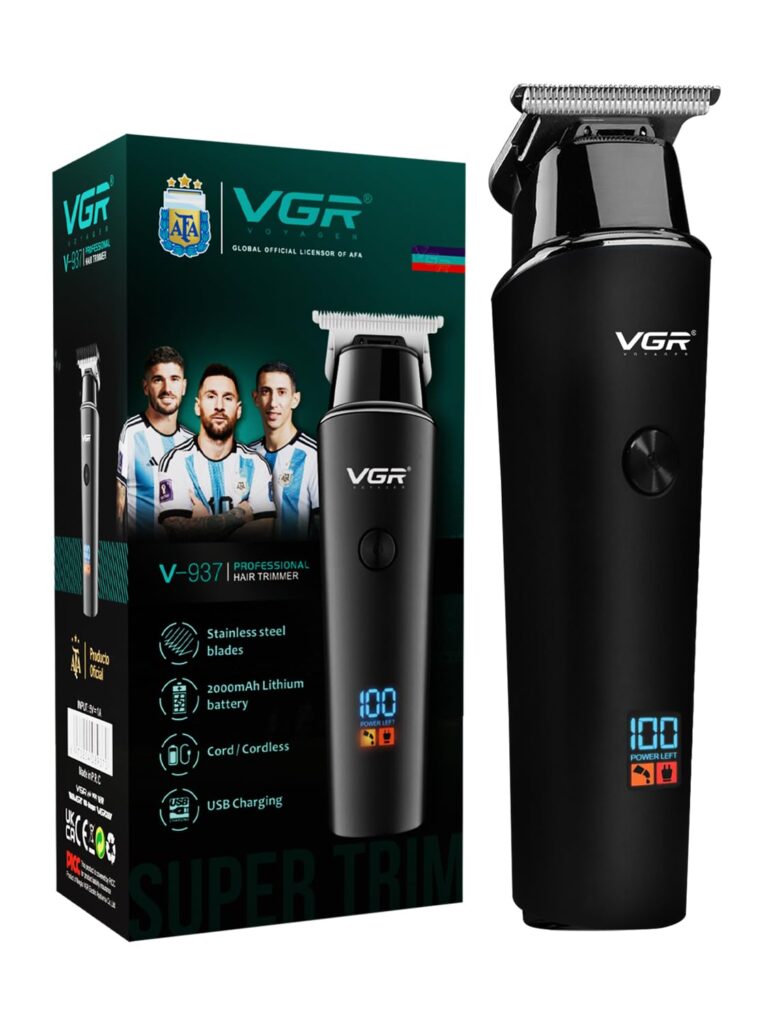
Because of this, it’s important to understand the main factors before making a choice. The best trimmer should match your grooming needs, the type of hair you have, and your preferred style of trimming.
This guide explains how to choose a trimmer for men without making the buying process too complicated.
1. Decide Where You Will Use the Trimmer
The first thing to consider is the areas you want to trim. Different trimmers are better suited for specific tasks.
For example, beard trimmers are ideal for facial hair. Body trimmers are made for areas like the chest and underarms.
On the other hand, all-in-one trimmers can handle multiple tasks. They usually come with several attachments for different parts of the body.
So, choose a trimmer based on the main areas you plan to trim.
2. Check the Trimming Length Settings
The length settings on a trimmer are an important factor to consider. Different hairstyles require different cutting lengths.
Some trimmers have only a few length options, while others offer multiple adjustable settings.
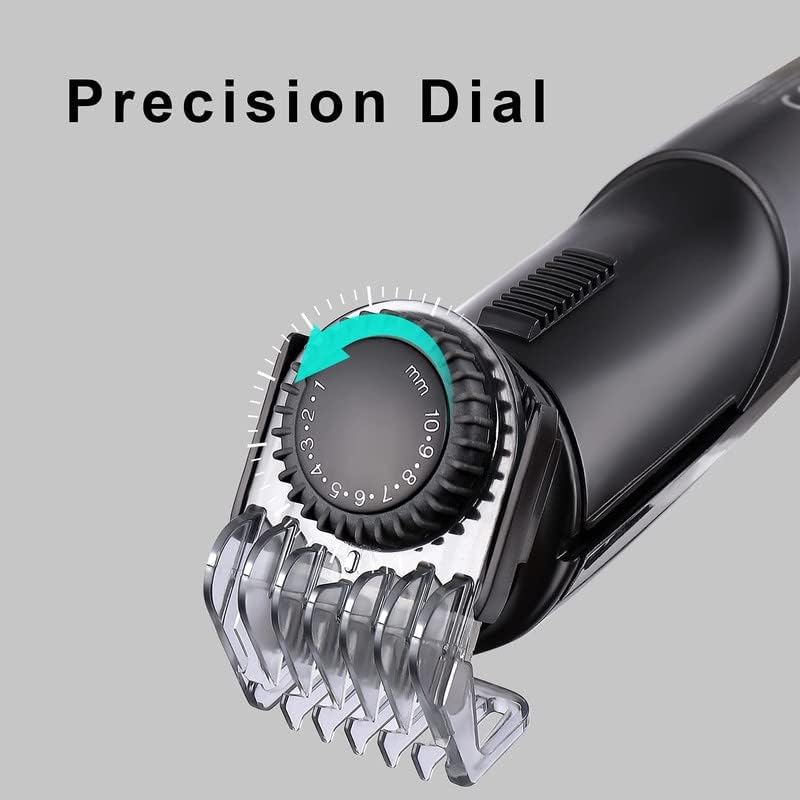
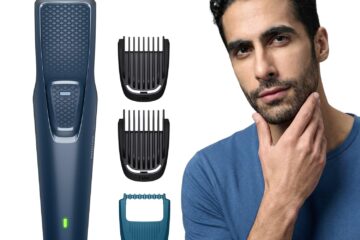
Also, adjustable combs can help you get more precise results. They also make it easier to keep your beard length consistent.
If you often switch between different beard styles, choose a trimmer with more length options.
3. Look for Sharp and Durable Blades
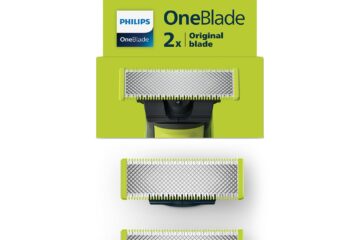
The quality of the blades directly affects how well the trimmer works. Sharp blades can cut hair efficiently with fewer passes.
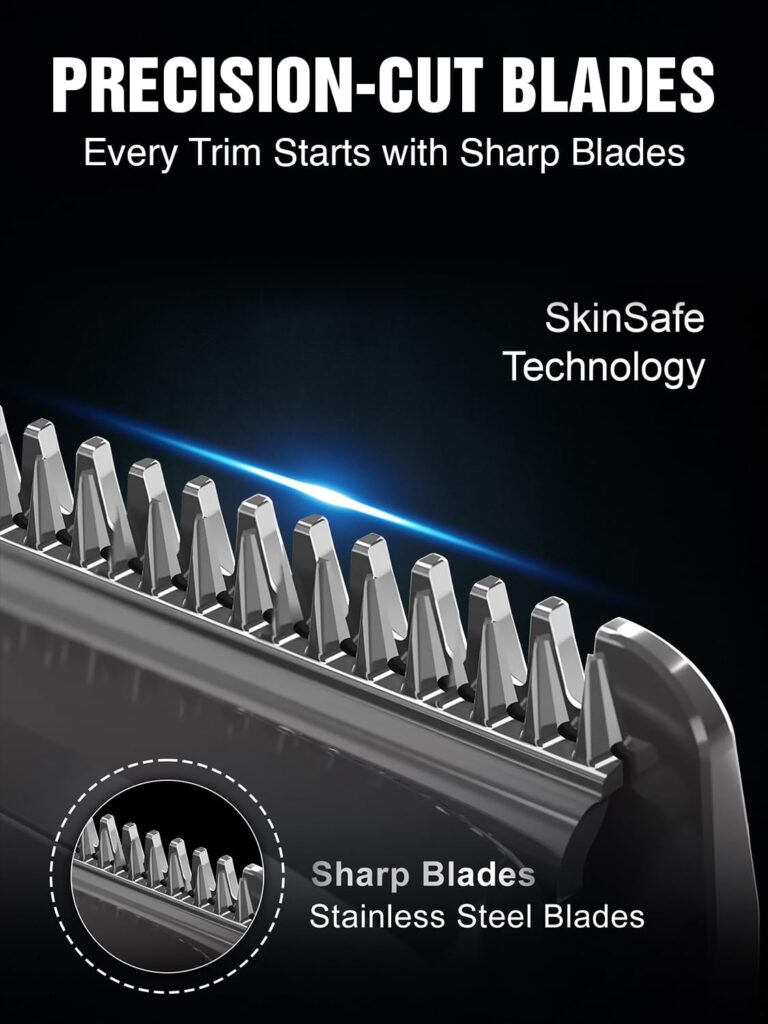
Additionally, durable blades can last longer and maintain their performance over time. Many modern trimmers use stainless steel blades.
Some models also have self-sharpening blades, which can help keep the cutting performance consistent over time.
So, it’s important to pay attention to blade quality when buying a trimmer.
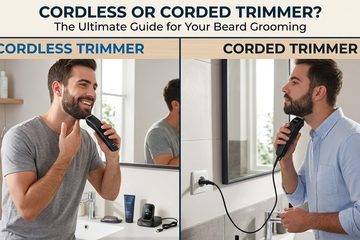
4. Consider Corded or Cordless Operation
Trimmers can be either corded or cordless, and each has its own advantages.
Cordless trimmers offer more freedom during use. You can move around without being near a power outlet.
Corded models provide continuous power, which can be useful for longer grooming sessions.
However, cordless trimmers are often more convenient for daily use.
5. Check the Battery Life
If you go for a cordless trimmer, it’s important to check its battery life. A longer battery life can make regular grooming easier.
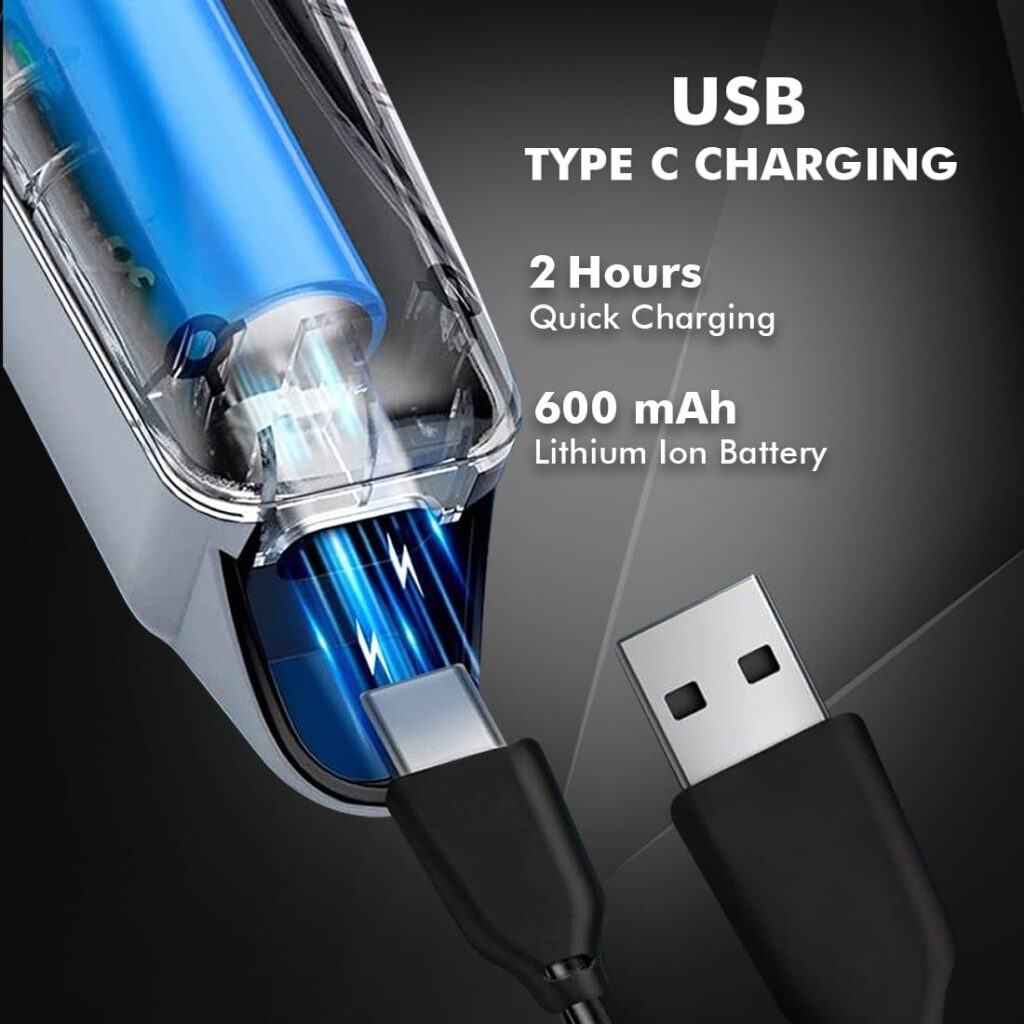
Some trimmers can run for several hours on a single charge, while others may need to be charged more frequently.
Also, check how long it takes to fully charge the trimmer. Fast-charging features can add to the convenience.
So, compare both battery life and charging time before making your decision.
6. Consider a Waterproof Trimmer
A waterproof trimmer can add more flexibility in your grooming routine. Some models allow you to trim both dry and wet hair.
Waterproof designs are also easier to clean. You can often rinse the compatible trimmer heads under running water.
However, always follow the manufacturer’s instructions before cleaning the device.
If you like trimming while showering, choose a trimmer designed for wet use.
7. Check the Attachments and Accessories
Attachments can greatly expand a trimmer’s usefulness. So, check which accessories come with the model.
Common attachments include beard combs, precision trimmers, body groomers, and nose trimmers.
Some models offer adjustable combs instead of multiple fixed attachments.
However, avoid choosing a trimmer only because it has many accessories. Focus on the ones you actually need and will use.
8. Look for Easy Cleaning and Maintenance
A good trimmer should be easy to maintain. Regular cleaning helps keep the device in good working condition for your next use.
Removable and washable heads make cleaning more convenient. Some trimmers also come with cleaning brushes.
In some cases, blade lubrication may be necessary. Always follow the maintenance instructions provided by the manufacturer.
So, consider the maintenance needs before making a purchase.
9. Consider the Trimmer’s Size and Grip
Comfort is important when using a trimmer regularly. A bulky or poorly designed trimmer can be hard to handle.
Instead, look for a trimmer with a comfortable grip. A lightweight design can also make longer sessions easier.
A compact trimmer can be more convenient for travel. Consider the size if you often carry grooming tools when you’re on the go.
10. Set a Practical Budget
Trimmers come in a variety of price ranges. Therefore, it’s a good idea to set a budget before comparing models.
An expensive trimmer doesn’t always mean it’s the best option. Similarly, a cheaper model may lack important features.
Instead, focus on the features you actually need. Consider blade quality, battery life, attachments, and durability.
Then, choose a model that offers the right balance of features and price.
11. Check Customer Ratings and Feedback
Customer reviews can give useful insights before buying. However, don’t rely solely on ratings.
Read several customer comments and look for common themes. Pay attention to feedback regarding battery life, blade performance, durability, and ease of use.
Also, consider what buyers with similar grooming needs have to say.
This approach can help you avoid choosing a trimmer based only on marketing claims.
12. Choose the Right Trimmer for Your Needs
In the end, the best trimmer depends on how you plan to use it. A simple beard trimmer might work well for daily grooming.
However, someone who trims more frequently may need a versatile all-in-one model. Similarly, body grooming might require a dedicated body trimmer.
Therefore, it’s important to identify your priorities before comparing products. Look at trimming length, blade quality, battery life, attachments, waterproofing, and price.
Then, compare models that fit your needs based on these features.
Final Thoughts
Choosing a trimmer for men becomes easier when you know what to look for. Start by determining your grooming needs.
Next, compare important features such as blades, length settings, battery life, and attachments.
Also, consider factors like ease of cleaning, comfort, waterproofing, and overall value. Finally, check customer feedback before making your purchase.
With these factors in mind, you can find a trimmer that fits your routine and budget.
2 Comments
Comments are closed.